CASE_005
FERRANTE
The Brief
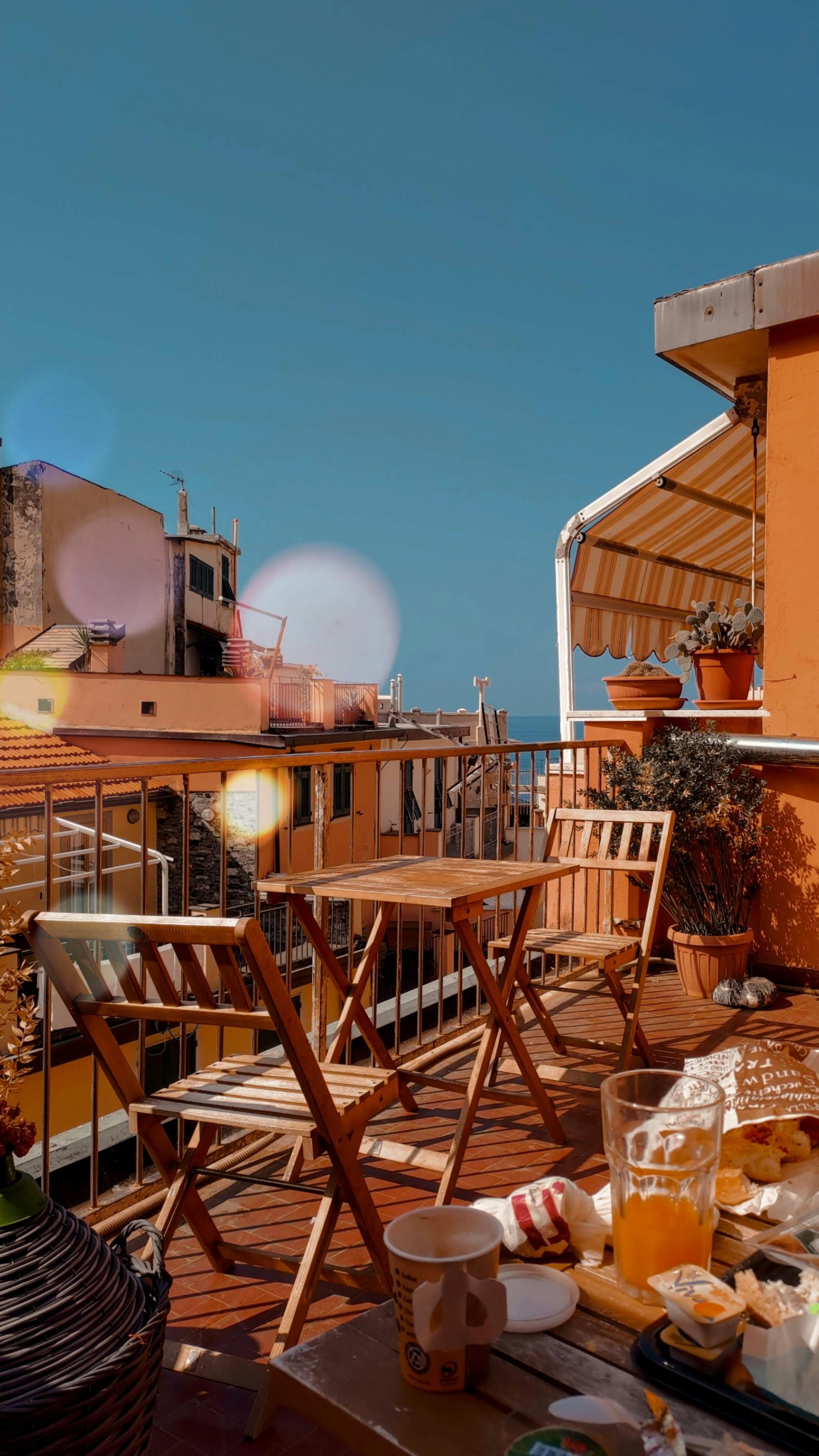
Ferrante is a nine-room hotel on the Amalfi Coast, opened in 2018 by two architects who restored a 17th-century masseria by hand over four years. The rooms have no televisions. Breakfast is served when guests want it, not when the kitchen decides. The wine list is twelve bottles, all from within forty kilometres.
It is, by any measure, a remarkable place. Its online presence, when we first saw it, looked like a hotel that had given up.
The feed was a mix of stock-adjacent photography, reposted guest selfies, and promotional graphics advertising a "Summer Special" in a font that had never been near the Amalfi Coast. Booking.com and Expedia accounted for 78% of reservations. The OTA commission alone was running close to €80,000 a year. The owners knew they were being extracted from but didn't believe they had the content operation to go direct.
They were wrong. They had one of the most photographable properties in southern Italy and four years of archive material they'd never touched. They just needed a system.
The Approach
We treated the property the way we'd treat a print magazine: with a creative director, a defined visual language, a monthly shoot, and an editorial calendar that planned twelve weeks ahead at all times.
The first month was entirely diagnostic. We stayed two nights at the property, photographed every room, surface, view, and meal. We read every piece of press the hotel had ever received — a Condé Nast Traveller mention in 2020, a small piece in a Neapolitan architecture journal, a travel blog post from 2019 that was still driving a trickle of traffic. We interviewed the owners at length about what they had built and why, and came away with something close to a founding document: the philosophy of the place, written down for the first time.
From that, we built a visual identity for the grid — not a rebrand, just a set of decisions about light, framing, subject, and sequence that would make every post feel like it had been pulled from the same publication. Then we designed an editorial calendar with three content types: Property (architecture, light, interiors), Table (food, wine, the rhythm of a meal), and Territory (the coast, the producers, the places within an hour of the front door that guests rarely find without guidance).
A hotel Instagram should make someone feel, before they've booked, that they already know what it's like to be there. Not impressed — familiar. Those are different things.
— Lina Aalto, Creative Director
The System
Four operators. One creative director overseeing all output, one photographer on a monthly shoot retainer, one editor handling captions and the newsletter, one strategist managing the booking funnel and OTA reduction plan.
One shoot day per month at the property — always a different season, always a different focus. Eight to twelve hero images and two short reels per shoot, cut to last six weeks of publishing. Three posts per week, same days, same posting windows. Captions written in the voice of the property: unhurried, specific, never promotional. Every caption ends with a place, a detail, or a question — never a call to action.
The newsletter launched in month three: a monthly letter from the owners, written in Italian and English, about a single aspect of the property or the coast. No discount codes. No "book now." A quiet note at the end that direct bookings could be made through the website, and that direct guests receive one thing the OTAs can't offer: a room held until 6pm without charge.
Paid was introduced selectively in month five — small budgets, targeting only people who had already visited the website or engaged with the grid. Never used for cold acquisition.
The Ongoing Arc
Phase | Period | What We Did |
|---|---|---|
Foundation | MO 01 | Property stay, full archive review, visual language defined, editorial calendar built, photographer briefed, OTA audit completed. |
Rebuild | MO 02–03 | Grid rebuilt from scratch. First shoot published. Newsletter launched. Website booking flow reviewed and simplified. |
Traction | MO 04–06 | Direct booking share climbs from 22% to 38%. A Territory post on a local ceramicist reaches 140k accounts without paid support. First season under new system books out. |
Compounding | MO 07–12 | Newsletter reaches 4,200 subscribers. Condé Nast Traveller requests updated photography — we supply the shoot archive at no cost to the client. Direct bookings reach 51% of reservations. |
Ongoing | MO 13+ | Retainer continues. OTA share now below 30%. Direct booking revenue 3.1× what it was at the start of the engagement. Average booking value up 44% as direct guests spend more per stay. |
The Outcome
Ferrante is now the kind of hotel that people find, save, and return to before they've decided when or whether they can go. The grid functions as a continuous editorial — equal parts travel magazine and property record. Direct bookings have tripled. The €80,000 annual OTA commission has been cut by more than half.
Before | Ongoing | |
|---|---|---|
Direct booking share | 22% | 68% |
Direct bookings | Baseline | 3.1× |
OTA commission spend | ~€80,000/year | ~€31,000/year |
Average booking value | Baseline | +44% |
Newsletter subscribers | 0 | 4,200 |
Press requests (inbound) | 0 | 3 (incl. Condé Nast Traveller) |
What the Client Said
We built this place with our hands. It needed to look like that online. Altrix understood, without much explanation, what we were trying to do — and made it visible.
— Giulia Ferrante, Co-founder, Ferrante
Credits
Role | Name |
|---|---|
Creative Direction | Lina Aalto — Founder & CD, Altrix |
Strategy | Marco Treves — Strategy Lead, Altrix |
Photographer | Yuki Hara — Editorial Stills + Film |
Editor | Theo Aubert — Senior Editor, Altrix |
Producer | Ola Berg — Producer, Altrix |
Client | Giulia Ferrante & Paolo Ferrante — Co-founders, Ferrante |